3 Best SMC Entry Models for High Probability Trades
You understand order blocks. You can spot liquidity sweeps. You know market structure. But you're still confused about WHEN to actually enter.
Do you enter at the order block immediately? Wait for the liquidity sweep? Enter after BOS? After MSS? What if there's an FVG too?
Most SMC traders learn the concepts individually, then struggle to put them together.
That's the gap this guide fills.
I'm going to show you 5 complete entry models not individual concepts, but COMPLETE setups from start to finish.
Each model combines:
- Market structure (direction)
- Liquidity (timing)
- Order blocks or FVG (entry zone)
- Clear entry rules
- Stop loss placement
- Target selection
By the end, you'll have 5 complete playbooks. Not theory. Exact setups you can
trade tomorrow.
SMC Entry Model 1
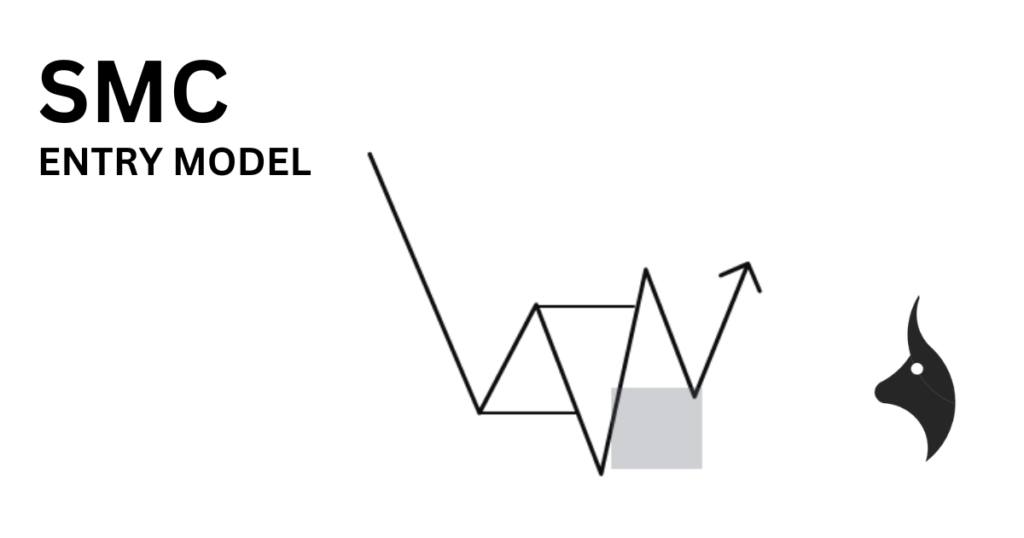
This is the most “clean” and structured entry model. You are not guessing anything here; the market has already shown its hand.
In this model, price has already moved to take liquidity, and you are simply waiting for confirmation at a key area (usually an order block).
The idea behind this model
The market moves in a simple sequence: liquidity → displacement → retracement → continuation or reversal
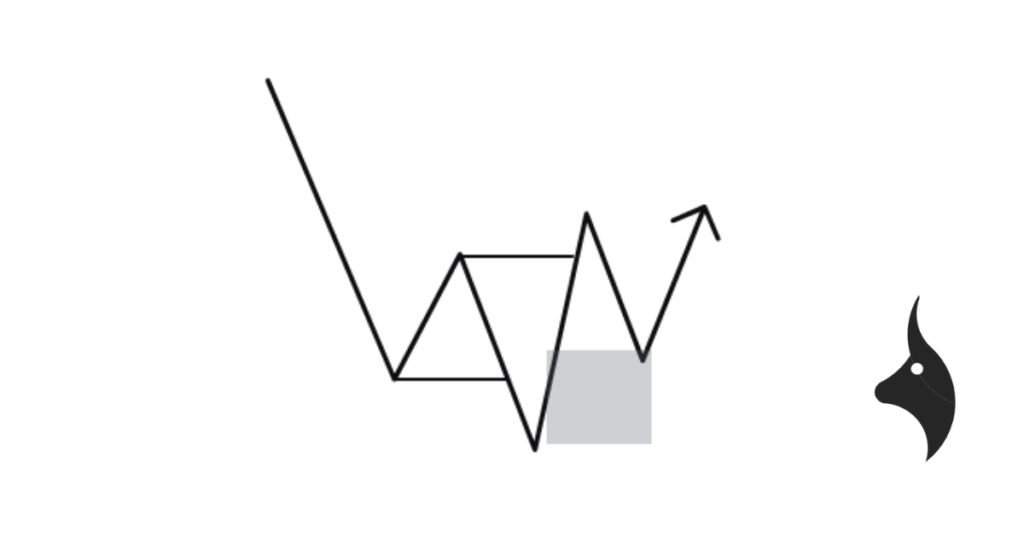
So in Model 1, you are entering after the market has already done the “dirty work” (liquidity grab and displacement). You are stepping in during the retracement phase.
Conditions you need before thinking about entry:
- Market structure is clearly defined (swing highs/lows + internal structure)
- A clear liquidity sweep has already happened (highs or lows taken)
- A valid order block (OB) is waiting for price
Once all of this is present, you do NOT enter immediately. You wait for price to return into your zone.
Execution process (step-by-step): When price returns to the order block:
- Drop to a lower timeframe (1m–5m)
- Watch how price behaves inside the OB
- Wait for ChoCH (Change of Character) inside the zone
- This ChoCH is your confirmation that momentum is shifting
Only after that shift do you look for an entry.
Entry trigger: You enter after
- ChoCH forms inside the order block
- Price shows rejection or displacement in your direction
This gives you confirmation that the OB is actually reacting, not being broken.
Stop loss placement:
- Below/above the order block
- Or beyond the liquidity sweep wick (safer option)
Take profit:
- Next liquidity pool (equal highs/lows, swing structure, or external liquidity)
SMC Entry Model 2
This model is more advanced because you are entering during market manipulation, not after it. Here, the market has NOT clearly taken liquidity yet. Instead, it is building pressure before the real move.
The idea behind this model
Markets rarely reverse without first creating liquidity. If liquidity is not obvious yet, the market will often:
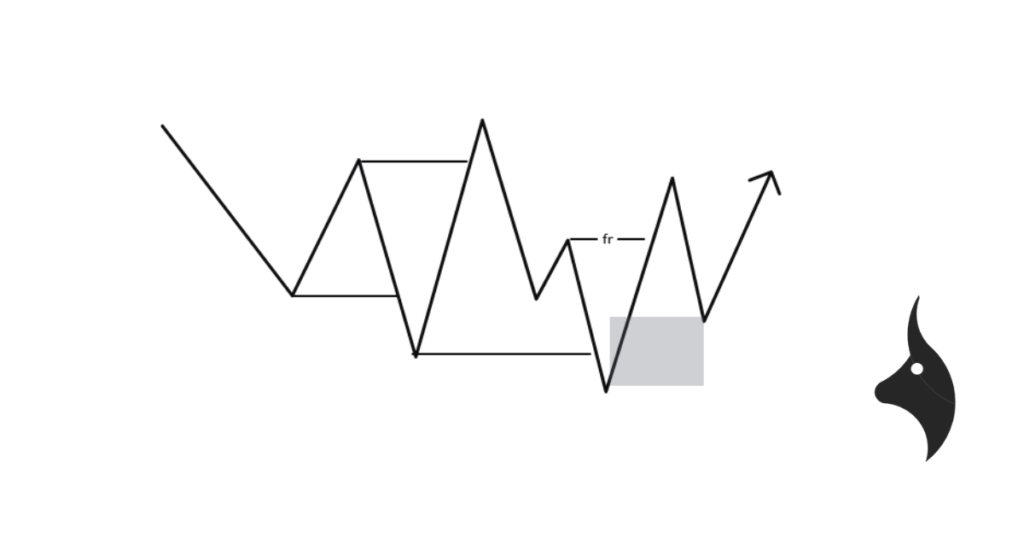
- Build internal structure
- Trap traders in early moves
- Then sweep liquidity before reversing
So your job is not to enter early; it is to wait for the trap to form completely
Conditions to watch for:
- Market is ranging or slowly trending
- No major external liquidity has been taken yet
- You see internal structure forming (higher lows or lower highs)
- Liquidity is building above/below (equal highs/lows or obvious swing points)
Step-by-step process:
- Identify internal structure on HTF
- Mark where liquidity is forming (trendline, equal highs/lows, previous swing points)
- Wait for price to create a ChoCH on LTF
- After ChoCH, do NOT enter yet
- Wait for price to sweep the liquidity that caused that ChoCH
- After the sweep, wait for a second ChoCH confirming shift
This sequence is very important: ChoCH → sweep → confirmation ChoCH
Entry trigger: You enter after
- Liquidity sweep is complete
- Second ChoCH confirms direction shift
- Price shows rejection or displacement away from the sweep
Stop loss:
- Beyond the sweep extreme (the wick that took liquidity)
Take profit:
- Next liquidity pool in the new direction
This model is powerful because it lets you enter after manipulation, not before it. Most traders lose here because they enter at the first ChoCH, you wait for the full sequence.
SMC Entry Model 3
This is the model that separates consistent traders from one-trade winners. Most traders take one trade and stop. Professionals scale the move using continuation entries.
The idea behind this model
Once the market has chosen a direction, it rarely moves in a straight line. Instead, it:
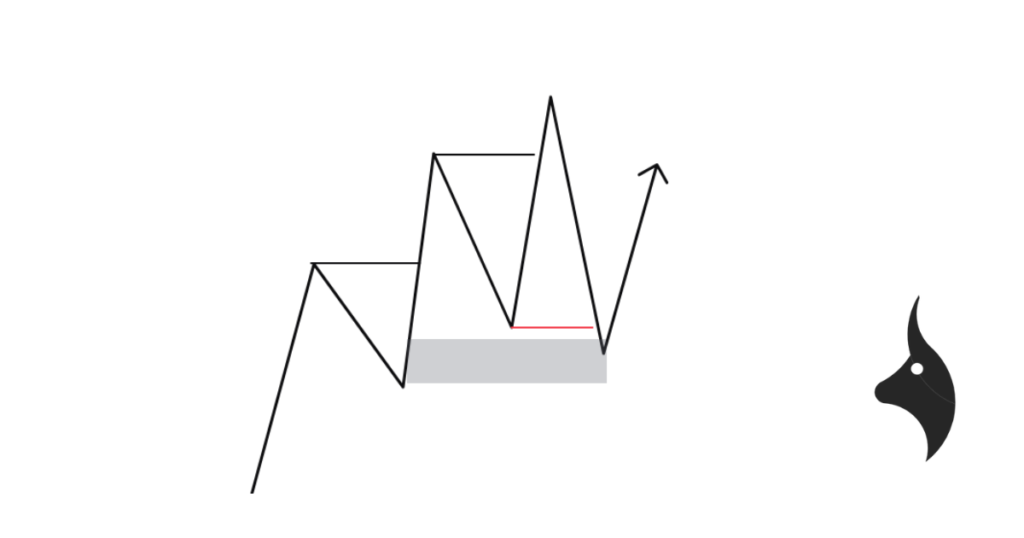
- Expands
- Pulls back
- Creates new liquidity
- Then continues
Model 3 is about re-entering during these pullbacks.
When to use it:
- You are already in profit from Model 1 or Model 2
- Market is clearly trending in your direction
- New internal structure is forming
- Fresh liquidity is being created on pullbacks
Step-by-step process: After your first entry
- Let price move in your direction
- Wait for pullbacks into new order blocks or FVGs
- Watch for internal structure forming against the trend (this is normal)
- Mark new liquidity being created (equal highs/lows inside trend)
Then:
- Drop to LTF again
- Wait for a mini version of Model 2:
- ChoCH → liquidity sweep → confirmation
- Enter again in direction of trend
Entry trigger:
- Pullback into OB or FVG
- Internal ChoCH in trend direction
- Confirmation after liquidity grab on LTF
Stop loss:
- Below/above the most recent pullback structure
Take profit:
- Next higher timeframe liquidity target
This model is what turns a single trade into a full trend ride. Instead of trying to predict tops and bottoms, you simply keep riding confirmed structure shifts.
Final Thoughts
These models are not separate strategies. They are a sequence.
- Model 2 creates the move (manipulation phase)
- Model 1 gives the clean entry (confirmation phase)
- Model 3 lets you scale and stay in the trend (continuation phase)
When you start seeing the market like this, trading becomes less about guessing and more about waiting for specific conditions to complete.
You’re no longer reacting emotionally; you’re just executing a repeatable playbook.